TESTING PAGE
Alternating (AC) vs. Direct (DC) Current Charging
AC AC Charging
Typically home charging or public posts. The car uses its onboard charger to convert current. Ideal for charging overnight or during work.
Charging power depends on the onboard charger capacity. Therefore, on a 22 kW charger, some cars charge at 3.5/6.6/11/17 kW. You can find this information for each model in the catalog.
DC Fast Charging
High-power stations that bypass the onboard charger and send current directly to the battery. Ideal for long trips and quick energy replenishment.
In the case of fast chargers, the power is determined by the vehicle's BMS. The car typically draws the highest power around a 10% state of charge and it drops sharply above 80%. Therefore, it usually does not make sense to charge above this limit on fast chargers. You can find the maximum and average power for each model in the catalog.
Charging reality
Charging power is not constant. The car charges fastest between 10% and 80% capacity. Above 80%, the speed slows down significantly to protect the battery.
Tips for long battery life
For daily driving, keep the battery between 20–80%. Frequent charging to 100% or discharging to zero can accelerate cell degradation.
Connector Types in Europe

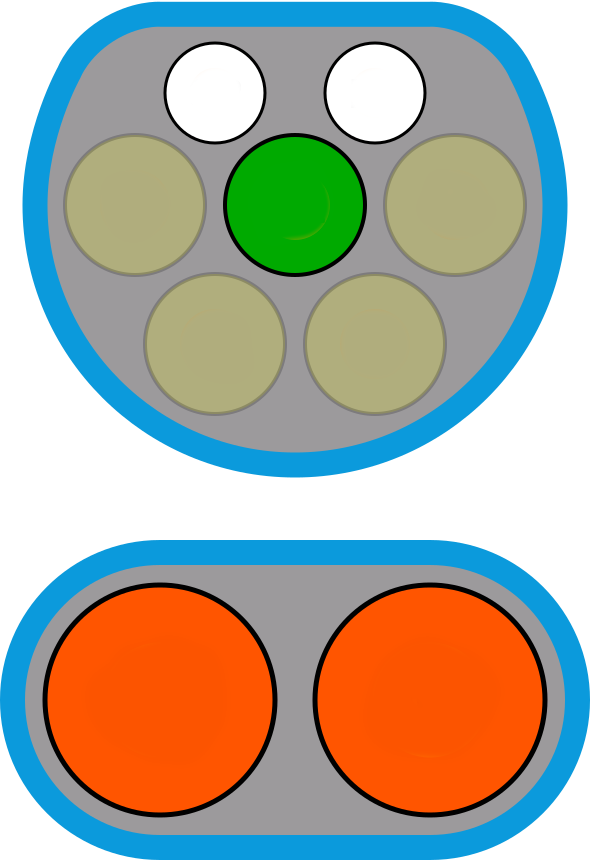
Standard for AC Charging
Found on most wallboxes and public AC stations.
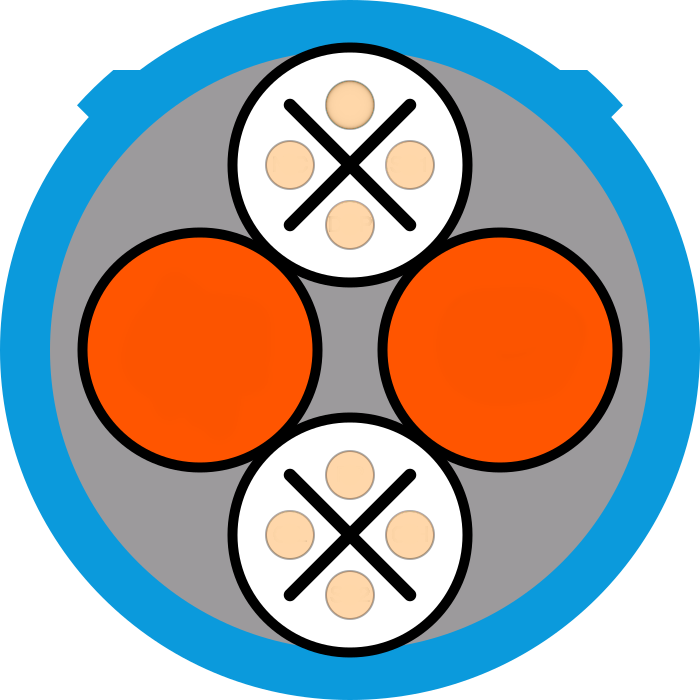
Standard for DC Fast Charging
Combined system for high-power charging on highways.

On older Japanese vehicles, you may also encounter Type 1 and CHAdeMO connectors.
Recommended Apps
For Your Trips
Seamlessly navigate the continent with our vetted selection of charging ecosystem apps.

&Charge
The social network for e-mobility. Collect kilometers for purchases and station reviews, then redeem them for free charging credits.

Octopus Electroverse
One card, one app, and access to thousands of chargers across Europe without needing multiple registrations.
Electra
Modern and user-friendly fast charging stations with the option to reserve a charger in advance.
EnBW mobility+
A top-tier app with massive coverage and very reliable search for functional stations.

IONITY
A network of ultra-fast charging stations along major European routes with up to 350 kW power. Ideal for long trips.